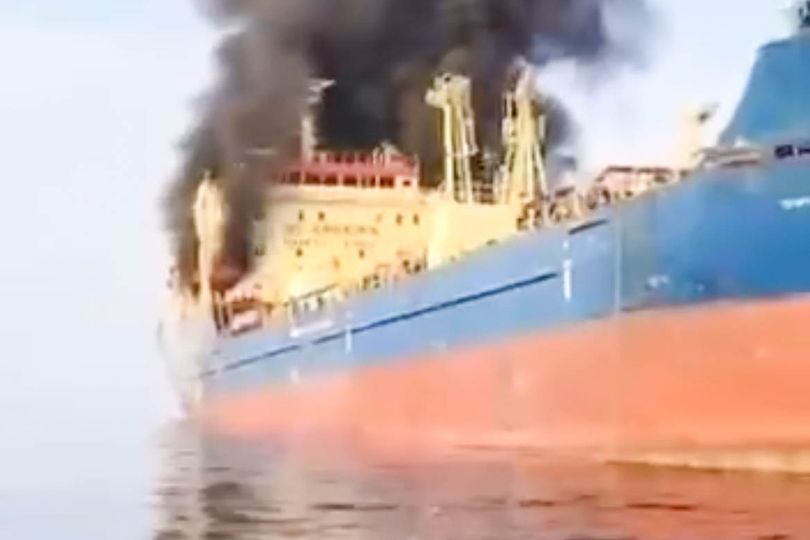
Iran has declared one of the world’s most important shipping routes is closed – and says it will burn all ships passing through.
Ebrahim Jabari, a senior adviser to Iran’s Revolutionary Guards commander-in-chief, said the Strait of Hormuz is now shut, according to Iranian media.
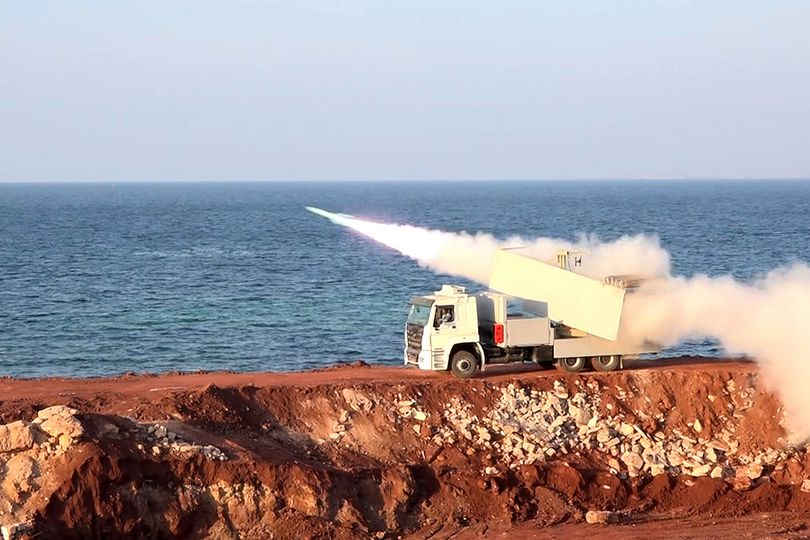
“The strait (of Hormuz) is closed. If anyone tries to pass, the heroes of the Revolutionary Guards and the regular navy will set those ships ablaze,” Jabari said. It follows several blasts reported along the key oil export route in recent days.
- Chilling map shows every country within Iran’s missile range including 4 holiday hotspots
- ‘Trump may have made catastrophic Iran war miscalculation – and it will cost him dearly’
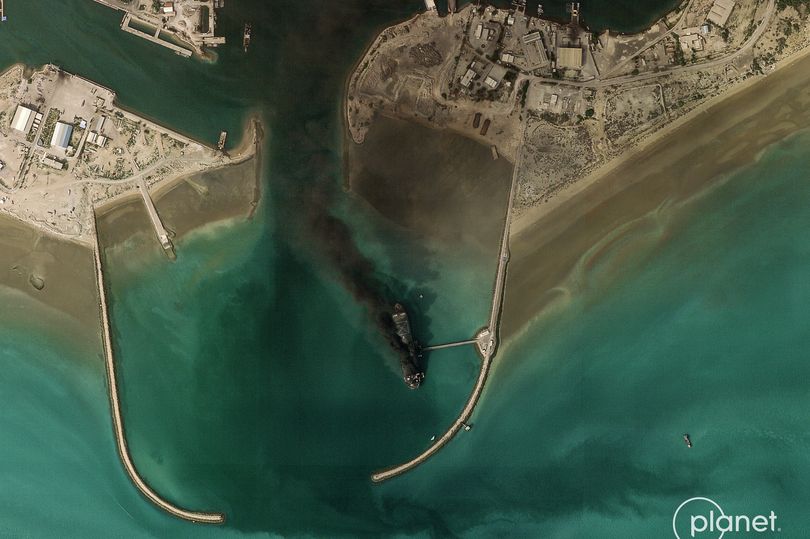
The Strait of Hormuz lies between Oman and Iran and roughly one fifth of the world’s total oil consumption passes through it. More than 20million barrels passed through every day last year on average.
Ensure our latest headlines always appear at the top of your Google Search by making us a Preferred Source. Click here to activate or add us as your Preferred Source in your Google search settings.
It comes as gas prices have already leapt at the fastest pace since the outbreak of war in Ukraine, after Qatar halted production of liquified natural gas following attacks by Iran.
Oil prices also soared and global financial markets reeled from the fallout of the conflict between Iran and US-Israeli forces. The global benchmark Brent crude briefly reached $82 (£61) a barrel on Monday, following attacks on at least three ships near the Strait of Hormuz over the weekend.
European whole gas prices soared by 52% on Monday, marking the sharpest rise since prices were pushed dramatically higher by the Russian invasion of Ukraine in March 2022. The surge came after Qatar’s state-backed energy company QatarEnergy said it “ceased production” because of attacks on its facilities.
Qatari ministers had said earlier on Monday that an Iranian drone had attacked one of the company’s production facilities. Qatar is a major producer of LNG, cooled gas which can be transported via ships, responsible for about a fifth of global supplies.
On Monday in London, the price of natural gas for delivery in April was up by about 43% to 115p per therm. In the UK, gas prices are a key driver for the cost of domestic energy bills, indicating that a sustained spike could affect households in the coming months.
Neil Wilson, Saxo UK investor strategist, said: “Qatar is a top three LNG exporter, controlling roughly a quarter of expected supply over the next decade. Looks like Iran’s tactic is to pressure Gulf states so they in turn pressure the US and Israel to back off. I am much more concerned about European natural gas prices than oil prices, in terms of seeing a repeat of the 2022 European energy crisis.”
Global financial markets faltered after intense strikes across the Middle East and attacks on ships drove fears of energy supply disruption. London’s FTSE 100 was weaker as trading was knocked by the growing conflict between Iran and US-Israeli forces. The blue chip share index shed 130 points, closing 1.2% lower at 10,780.11.
Other European indexes suffered bigger drops with France’s Cac 40 down about 2.2% and Germany’s Dax tumbling 2.4% on Monday. But it was a more tentative start to trading over on Wall Street with the S&P 500 relatively flat, and Dow Jones dipping by about 0.1% by the time European markets had closed.
 Bank SWIFT Code | agus setiawan | kodepos